
Mexican cuisine is widely known for its flavorful tacos, enchiladas, tamales, and street foods, but desserts are also an important part of traditional Mexican culture. Mexican desserts combine sweetness, texture, spices, and rich flavors that create memorable experiences after every meal. Many recipes have been passed through generations and continue being enjoyed during family gatherings, holidays, celebrations, and everyday occasions. While some desserts are simple and light, others are rich and indulgent. Exploring Mexican desserts allows food lovers to discover another delicious side of Mexican cuisine.
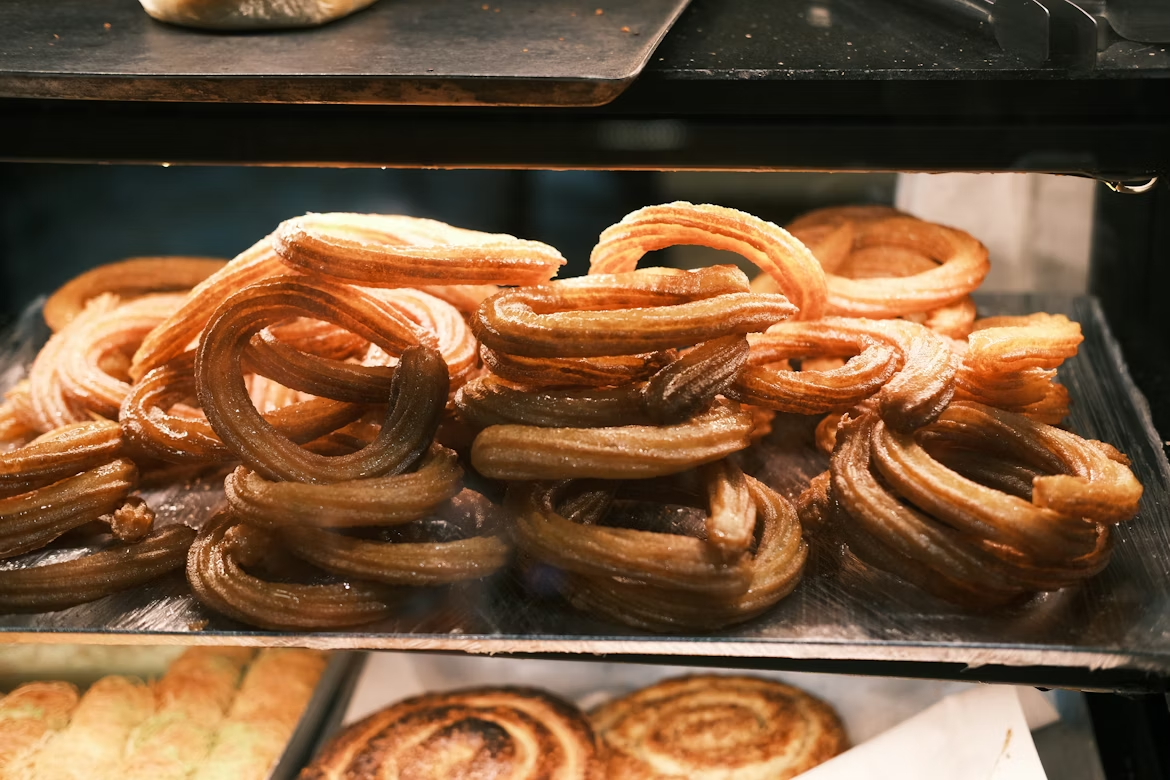
One of the most famous Mexican desserts is churros. Churros are long fried pastries with a crispy outer layer and soft interior. After frying, churros are usually coated with cinnamon sugar and served warm. Many people enjoy dipping them into chocolate sauce, caramel, or sweet cream fillings. Their combination of crispy texture and sweet flavor makes them one of the most loved desserts worldwide.
Although churros are now found in many countries, they remain strongly connected to Mexican food culture. Street vendors, restaurants, and markets frequently serve fresh churros to customers looking for a quick sweet snack. Their simple ingredients and satisfying taste continue making them popular among both children and adults.
Another traditional favorite is flan. Flan is a creamy custard dessert topped with caramel sauce. Its smooth texture and rich sweetness create a soft and delicate dessert experience. Flan recipes can vary slightly between families and regions, but the basic concept remains similar. Eggs, milk, sugar, and vanilla combine to create a dessert that feels both simple and elegant.
Flan is often served during celebrations and family dinners because it can be prepared ahead of time and served chilled. The caramel layer on top creates sweetness while adding visual appeal. Many people appreciate flan because it feels rich without becoming overly heavy.
Tres leches cake is another famous dessert loved throughout Mexican cuisine. The name translates to “three milks,” referring to the mixture of different milk products used to soak the cake. This process creates a soft and moist texture that makes tres leches unique compared to traditional cakes.
The sponge cake absorbs the milk mixture slowly, creating incredible moisture and sweetness. Whipped cream and fruit toppings are often added before serving. Despite containing a large amount of liquid, a properly made tres leches cake remains light and balanced rather than dense.
Arroz con leche is another traditional dessert that many families continue preparing today. This sweet rice pudding combines rice, milk, cinnamon, and sugar into a warm and comforting dish. Some recipes also include raisins or vanilla for additional flavor.
Arroz con leche is especially popular because it feels homemade and comforting. Many people associate it with childhood memories and family traditions. It can be served warm or cold depending on personal preference.
Capirotada is a dessert many people may not recognize outside Mexican communities. Often described as Mexican bread pudding, capirotada combines bread, cinnamon, cheese, raisins, nuts, and syrup. The mixture creates a sweet and savory balance unlike many traditional desserts.
Capirotada is commonly associated with religious holidays and family traditions. Different households prepare it differently, and recipes often reflect personal family history. Some versions include fruits or additional spices while others remain very simple.
Mexican wedding cookies are another popular dessert choice. These soft buttery cookies are covered with powdered sugar and frequently served during celebrations and holidays. Their texture melts easily and creates a rich flavor despite using simple ingredients.
Sweet empanadas are also enjoyed throughout Mexican cuisine. Unlike savory versions filled with meat or cheese, dessert empanadas contain fruit fillings such as apple, pineapple, pumpkin, or sweet cream. The pastry exterior creates a flaky texture while the filling adds sweetness and flavor.
One interesting aspect of Mexican desserts is the use of cinnamon. Many recipes rely heavily on cinnamon because it creates warmth and aroma without overwhelming sweetness. Cinnamon frequently appears in churros, rice pudding, beverages, pastries, and baked goods.
Mexican desserts also often include fruits. Mangoes, pineapples, coconuts, guavas, and other tropical fruits provide natural sweetness and freshness. These fruits help create desserts that feel lighter and refreshing.
Regional traditions also influence dessert recipes throughout Mexico. Coastal regions may incorporate coconut and tropical fruits, while inland areas may focus more on baked pastries and dairy-based sweets. Local ingredients and family traditions shape dessert styles across different communities.
Many Mexican desserts are connected to celebrations and holidays. Families often prepare special sweets during birthdays, weddings, religious festivals, and seasonal events. Food becomes part of shared experiences and traditions that bring people together.
Modern versions of traditional desserts continue evolving today. Restaurants and bakeries often create updated recipes with new flavors while preserving classic foundations. Chocolate-filled churros, flavored flans, and creative cake variations continue attracting dessert lovers.
Mexican desserts demonstrate that food can create memories beyond simple taste. A dessert often represents celebration, comfort, family history, and culture. The recipes may vary from family to family, but the purpose remains similar: bringing people together and creating enjoyable experiences.
For anyone interested in exploring Mexican cuisine more deeply, desserts deserve just as much attention as tacos or street foods. Churros, flan, tres leches cake, rice pudding, and other sweet favorites reveal another layer of tradition and flavor.
Whether enjoyed after a meal or served during a special occasion, Mexican desserts continue delighting people around the world. Their combination of sweetness, texture, and cultural tradition helps explain why they remain beloved generation after generation.