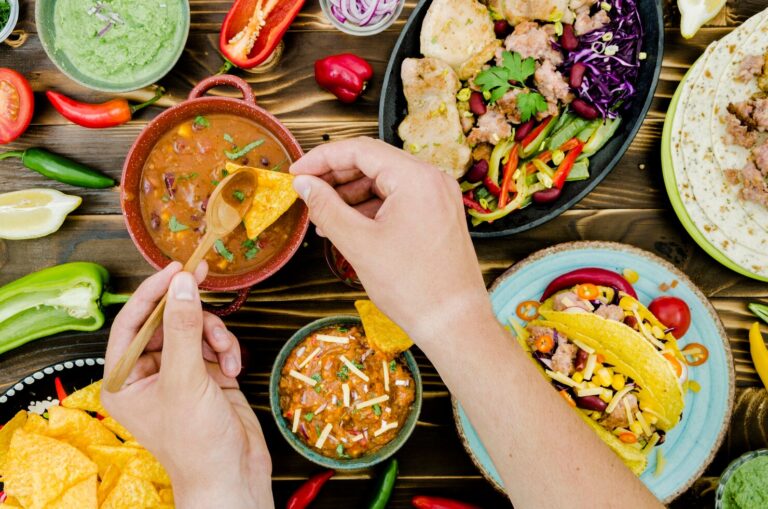

Mexican cuisine is one of the most recognizable and celebrated food traditions in the world. Known for bold flavors, colorful ingredients, and rich cooking traditions, Mexican food combines simple ingredients to create meals that are full of character and taste. While many people immediately think of tacos, burritos, or nachos when hearing about Mexican food, the true foundation of authentic Mexican cuisine begins with ingredients. These ingredients are responsible for creating the flavor, texture, aroma, and personality found in traditional recipes.
Many Mexican dishes may seem complex after tasting them, but the reality is often surprisingly simple. Traditional cooking frequently relies on a small number of fresh ingredients prepared in creative ways. Over generations, families and communities developed techniques that transformed basic foods into dishes loved around the world. Understanding these ingredients helps create a deeper appreciation for Mexican food and the culture behind it.
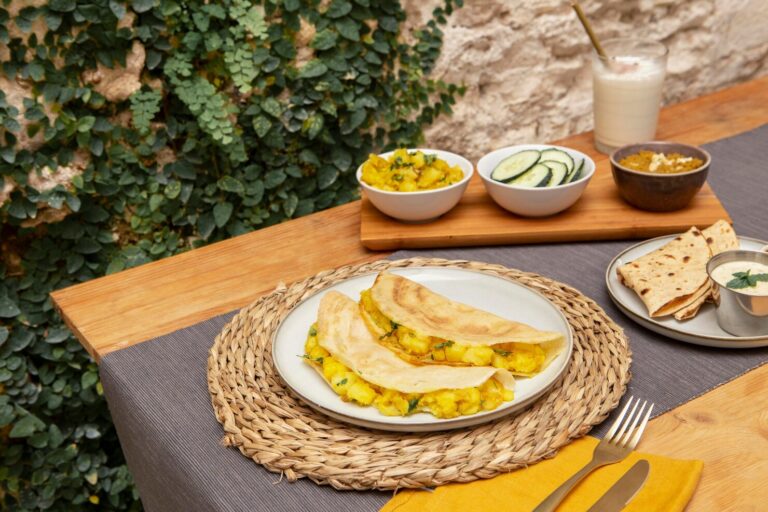
Corn is perhaps the most important ingredient in Mexican cooking. For thousands of years, corn has played a major role in Mexican culture and daily life. It is more than just food; it represents history and tradition. Corn is used to create tortillas, tamales, tostadas, tortilla chips, and countless other dishes. Fresh tortillas remain one of the most essential parts of Mexican meals because they serve as the base for tacos, enchiladas, quesadillas, and many traditional recipes.
The process of preparing corn for traditional use has deep roots in Mexican history. Over time, cooking methods evolved and helped create the soft texture and flavor associated with corn tortillas today. Unlike many modern processed products, traditional corn preparation helped preserve both flavor and texture.
Beans are another essential ingredient commonly found throughout Mexican cuisine. Beans provide flavor, nutrition, and versatility. Black beans, pinto beans, and refried beans frequently appear alongside meats, rice, tacos, and other meals. In many households, beans are prepared daily and served as a side dish or meal component.
Beans became important because they were affordable, filling, and capable of feeding large families. They continue playing a major role in Mexican cooking today. Some recipes use whole beans while others mash and season them to create smoother textures. Combined with rice and tortillas, beans often create balanced and satisfying meals.
Fresh peppers are another defining ingredient in authentic Mexican cuisine. Peppers provide much more than spice. Different varieties contribute sweetness, smokiness, earthiness, or mild heat. Jalapeños are among the most familiar peppers internationally, but Mexican cooking uses many other varieties.
Poblano peppers are known for their mild flavor and are frequently used in stuffed pepper dishes. Serrano peppers create stronger heat levels and are often added to salsas. Chipotle peppers provide smoky flavors because they are made from dried and smoked jalapeños. Dried peppers such as ancho and guajillo also play important roles in sauces and marinades.
The use of peppers demonstrates one of the most interesting parts of Mexican cooking. Heat is not always the goal. Instead, peppers often help create flavor complexity. Some dishes use mild peppers while others combine multiple varieties to create balanced flavor profiles.
Tomatoes are another ingredient deeply connected to Mexican cuisine. Fresh tomatoes contribute sweetness and acidity while serving as a key ingredient in sauces and salsas. Salsa roja, one of the most common Mexican sauces, often combines tomatoes with onions, garlic, peppers, and herbs.
Tomatillos are also commonly used and are sometimes confused with green tomatoes. Unlike regular tomatoes, tomatillos have a slightly tart flavor and are used to create green sauces such as salsa verde. Their unique taste helps create brightness and freshness in many dishes.
Onions and garlic may appear simple, but they are essential building blocks of flavor. These ingredients frequently serve as the starting point for sauces, soups, marinades, and meat dishes. Their ability to enhance flavor makes them extremely important throughout Mexican cooking.
Cilantro is another ingredient commonly associated with authentic Mexican food. This fresh herb adds brightness and aroma to tacos, soups, salsa, rice dishes, and grilled meats. While some people strongly enjoy cilantro and others do not, its presence remains common throughout traditional recipes.
Lime also plays a major role in Mexican cuisine. Fresh lime juice is used to brighten flavors and balance richness. Tacos, grilled meats, seafood dishes, soups, and drinks often include lime because even small amounts can dramatically improve taste.
Avocados are another famous ingredient connected to Mexican cuisine. Their creamy texture makes them ideal for dips, toppings, and sauces. Guacamole remains one of the most popular avocado-based dishes and combines avocados with onions, tomatoes, cilantro, lime, and seasoning.
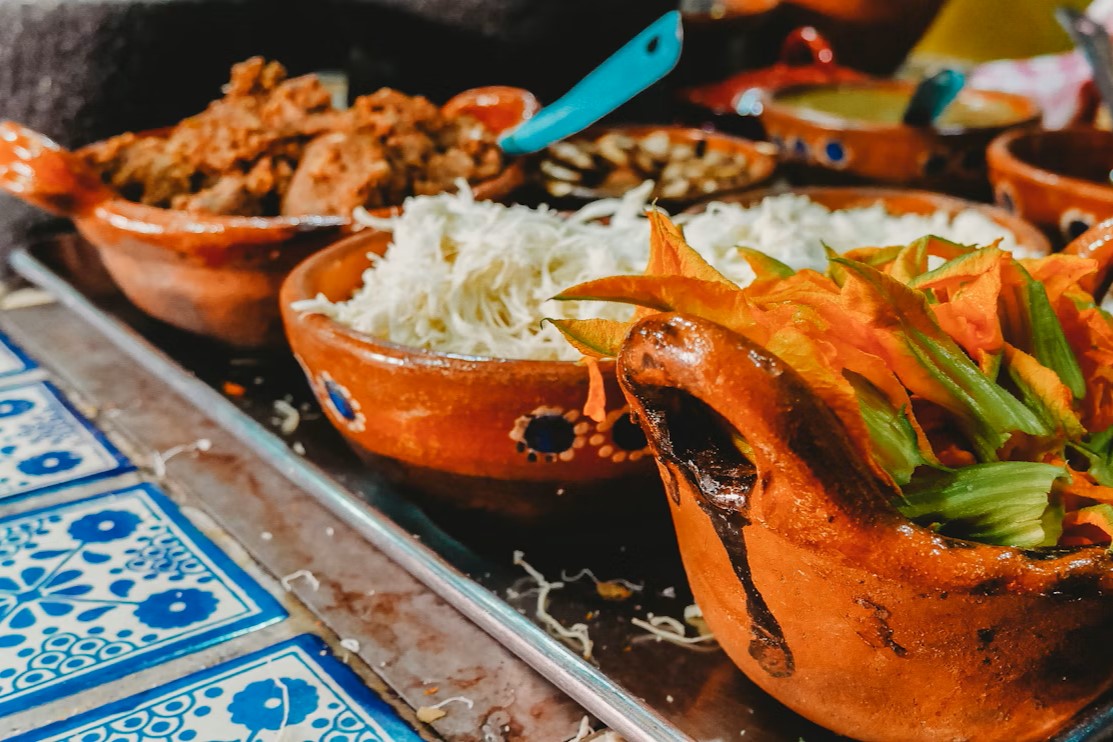
Cheese contributes richness and texture in many Mexican recipes. Traditional Mexican cheeses differ from many cheeses commonly used elsewhere. Queso fresco, cotija, and Oaxaca cheese are examples frequently used in authentic cooking. These cheeses may be sprinkled on tacos, melted into quesadillas, or served alongside meals.
Spices also contribute to flavor development. Cumin, oregano, cinnamon, chili powder, and other seasonings help create recognizable tastes. Different regions often use different combinations based on local traditions and available ingredients.
Rice is another important ingredient often served with beans and meats. Mexican rice usually includes tomatoes, onions, garlic, and seasonings that create its familiar flavor and color. Rice serves as both a side dish and an ingredient used inside larger meals.
Fresh ingredients remain central to authentic Mexican cooking philosophy. Many recipes focus on combining natural ingredients instead of relying heavily on processed foods. Fresh herbs, vegetables, peppers, and handmade preparations help create distinctive flavors people remember.
Regional differences also influence ingredient use. Coastal regions may include more seafood and citrus flavors, while inland areas often emphasize meats and dried peppers. Different climates and traditions shape cooking styles throughout Mexico.
Today, Mexican food continues evolving and inspiring chefs around the world. Modern recipes sometimes introduce new ingredients and techniques while maintaining traditional foundations. However, authentic Mexican flavor still depends largely on the classic ingredients that built its history.
Understanding these ingredients helps explain why Mexican cuisine remains one of the world’s most loved food traditions. Corn, beans, peppers, herbs, spices, tomatoes, lime, and fresh ingredients work together to create memorable dishes full of flavor and tradition.
Authentic Mexican food proves that extraordinary meals do not always require complicated ingredients. Sometimes simple foods prepared thoughtfully can create unforgettable flavors. These essential ingredients continue shaping recipes that bring families together and introduce new generations to the beauty of Mexican cuisine.