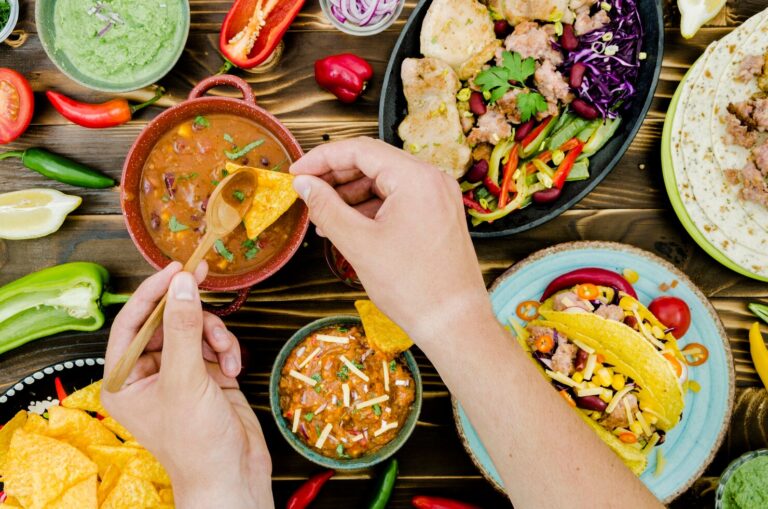

Mexican food is often associated with bold flavors, delicious tacos, cheesy dishes, and satisfying comfort meals. While many people assume Mexican cuisine is always heavy or calorie-rich, authentic Mexican food actually includes many fresh and nutritious ingredients that can support a balanced lifestyle. Traditional Mexican cooking frequently uses vegetables, beans, herbs, grilled proteins, fruits, healthy fats, and natural ingredients. When prepared thoughtfully, Mexican food can become both flavorful and nutritious.
One reason Mexican cuisine can fit into balanced eating habits is the use of fresh ingredients. Many traditional recipes rely on natural foods rather than highly processed products. Tomatoes, onions, avocados, peppers, cilantro, corn, beans, and fresh lime are commonly used in everyday cooking. These ingredients provide flavor while also offering vitamins, minerals, and nutrients.
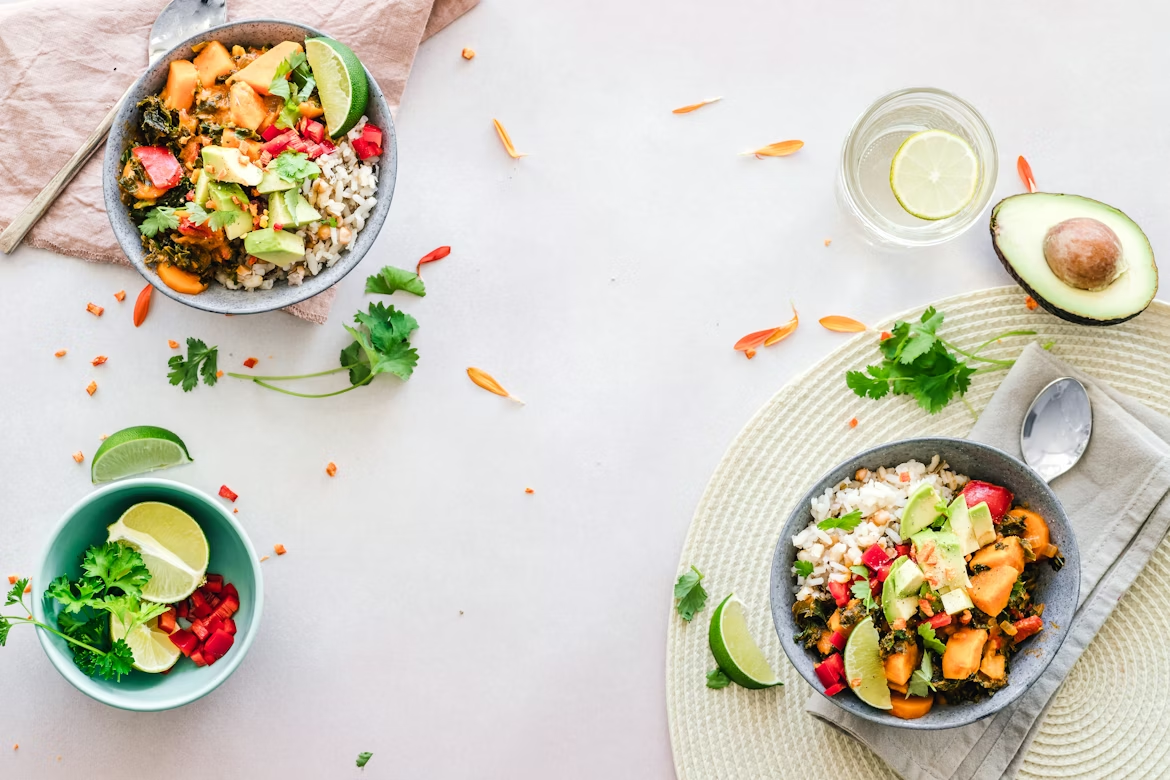
Beans are one of the healthiest ingredients commonly found in Mexican cuisine. Black beans and pinto beans contain plant-based protein, fiber, and nutrients that help create filling meals. Beans can support digestion and provide long-lasting energy throughout the day. Because they are versatile, beans are used in soups, burritos, tacos, salads, rice bowls, and side dishes.
Avocados are another nutritious ingredient connected with Mexican food. They contain healthy fats and a creamy texture that makes them popular in guacamole and toppings. Unlike heavily processed sauces, fresh avocado-based dishes can provide nutrients while adding rich flavor to meals. Avocados also pair well with vegetables and grilled proteins.
Grilled meats are another healthier choice often found in Mexican cooking. Traditional dishes frequently include grilled chicken, steak, fish, shrimp, or lean meats rather than heavily fried ingredients. Grilling helps create flavor while reducing excess oils. Combining grilled proteins with vegetables and fresh toppings can create balanced and satisfying meals.
Fresh salsa is also a healthier addition compared to many creamy sauces. Tomato-based salsas usually include ingredients such as tomatoes, onions, peppers, cilantro, garlic, and lime juice. These ingredients provide strong flavor without requiring large amounts of fat or added sugars. Different salsa varieties also create opportunities to customize meals naturally.
Vegetables play a major role in many authentic Mexican dishes. Bell peppers, onions, lettuce, tomatoes, cabbage, corn, and other vegetables frequently appear in tacos, fajitas, soups, and salads. These ingredients add texture, flavor, and nutrition while creating colorful meals.
Soups are another underrated healthy option within Mexican cuisine. Traditional soups often include vegetables, chicken, beans, rice, herbs, and spices that create filling meals without excessive heaviness. Broth-based recipes can provide comfort while supporting balanced eating habits.
Portion control also contributes to healthier Mexican meals. Traditional serving styles often focus on balanced combinations of ingredients rather than oversized portions. Smaller tortillas, fresh toppings, proteins, and side dishes create meals that feel satisfying without becoming excessive.
Another reason Mexican cuisine supports healthier choices is flexibility. People can easily customize meals according to dietary goals and preferences. Some individuals choose grilled proteins instead of fried options. Others increase vegetables or reduce heavy toppings. Simple modifications can significantly change nutritional value while preserving flavor.
Whole ingredients remain an important part of traditional Mexican cooking philosophy. Many authentic recipes focus on freshness and preparation methods rather than relying on artificial ingredients. This natural approach helps explain why Mexican food can fit into many eating lifestyles.
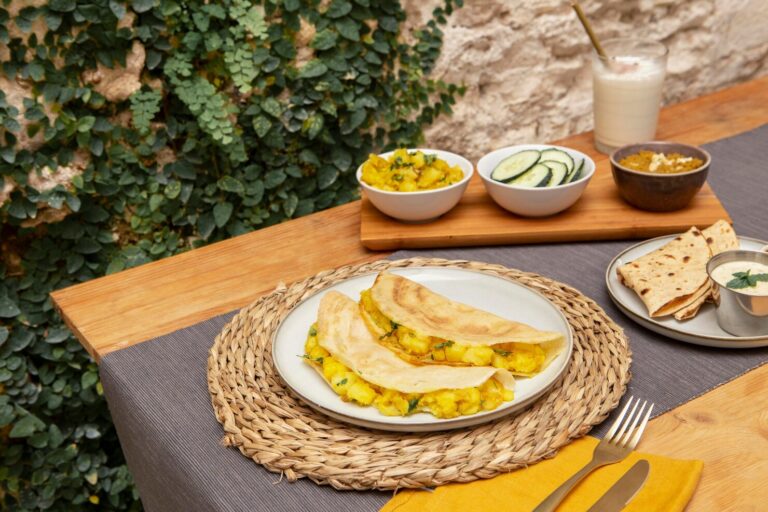
Rice and corn are also important ingredients that provide energy. Corn tortillas often contain fewer ingredients than heavily processed breads and can serve as simple foundations for meals. Brown rice and whole grain options can also provide alternatives for balanced eating plans.
Fresh fruit beverages and natural drinks can also complement healthier meals. Agua frescas made from fruit and water can feel lighter than highly processed soft drinks. Watermelon, pineapple, hibiscus, and lime flavors are popular choices.
One common misconception is that all Mexican food must include excessive cheese and heavy sauces. While rich dishes certainly exist, authentic cooking traditions include many lighter preparations that rely more on herbs, vegetables, spices, and fresh ingredients.
Healthy eating does not always mean sacrificing flavor. Mexican cuisine proves that meals can remain exciting and satisfying while using nutritious ingredients. Bold spices, citrus flavors, and fresh herbs create meals that feel enjoyable and balanced at the same time.
For individuals looking to improve eating habits without giving up flavorful meals, Mexican food offers many possibilities. Grilled proteins, beans, vegetables, salsa, soups, and fresh ingredients create options that support both taste and nutrition.
Balanced eating works best when meals remain enjoyable and sustainable. Mexican cuisine continues showing people that healthy food does not need to be boring or repetitive. With the right ingredients and preparation methods, delicious meals can also become nutritious choices.
Exploring healthier Mexican dishes can help people discover meals that support wellness goals while still delivering the rich flavors that make Mexican cuisine loved around the world.