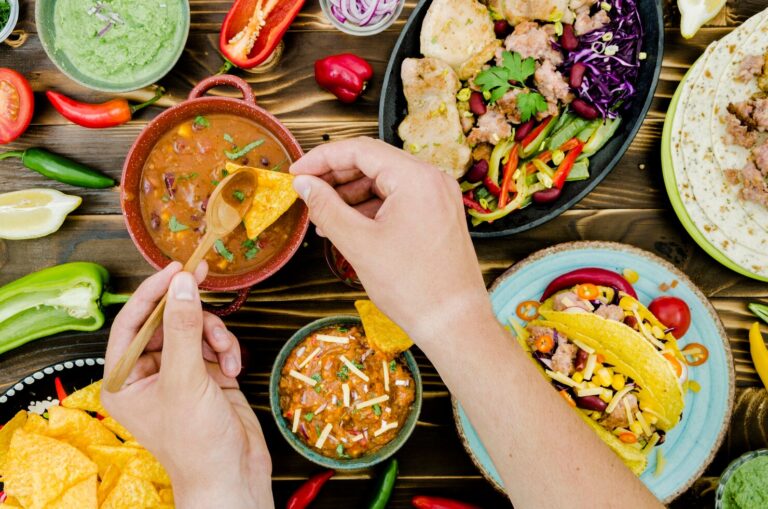

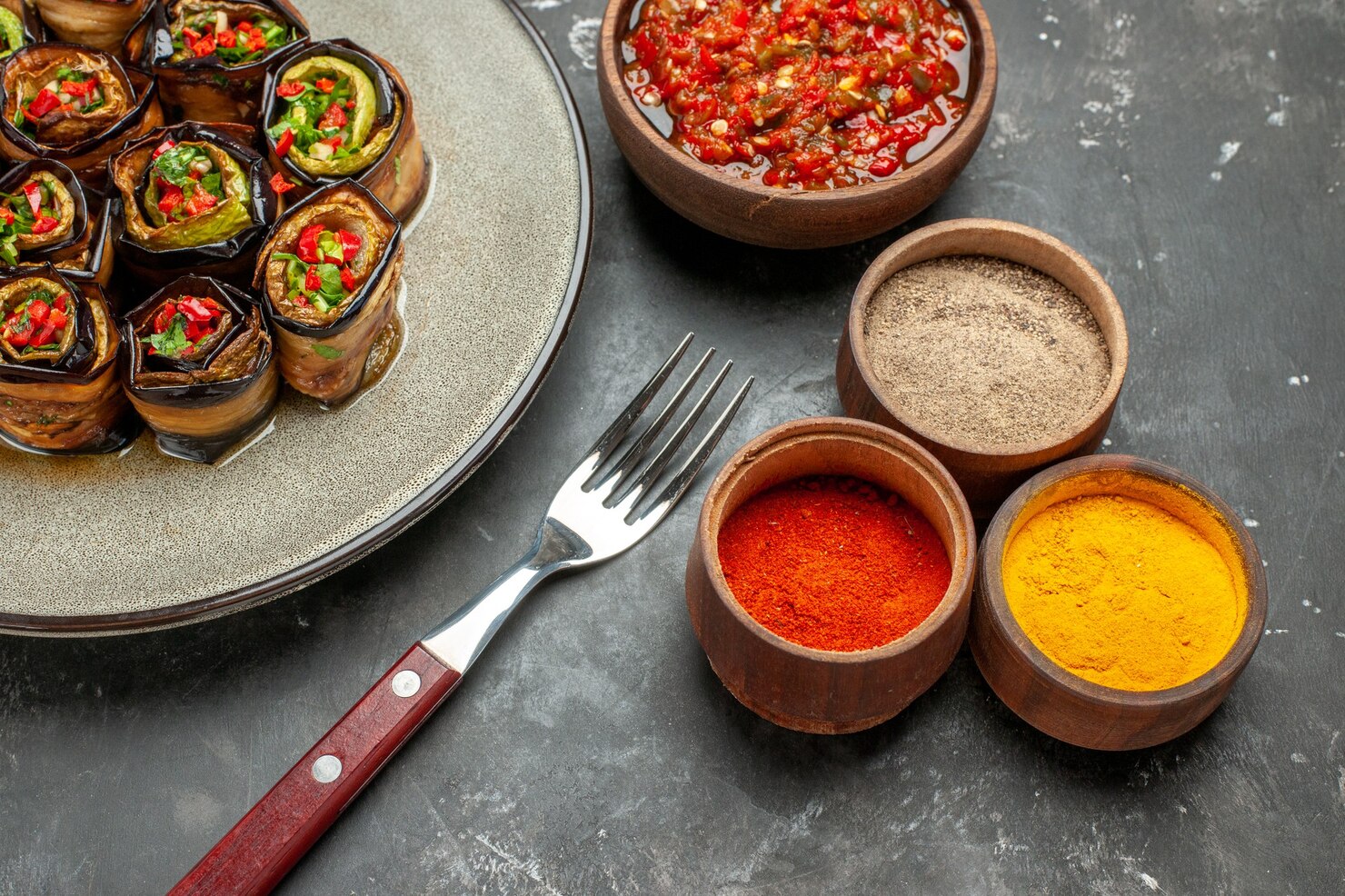
One of the reasons Mexican cuisine is loved around the world is its rich and unforgettable flavor. While fresh ingredients play an important role, spices are what bring many traditional recipes to life. Mexican cooking uses a variety of herbs, dried peppers, seasonings, and spice combinations that help create depth, aroma, and character in every dish. These ingredients have been used for generations and continue shaping authentic Mexican food today.
Many people mistakenly think Mexican food is simply about heat or extreme spice levels. In reality, Mexican cuisine focuses more on balanced flavors than overwhelming heat. Different spices work together to create smoky notes, earthy flavors, sweetness, mild heat, and complexity. The goal is often to build flavor rather than simply make food spicy.
Chili peppers are among the most important ingredients used in Mexican cooking. Fresh and dried peppers help create many signature flavors. Jalapeños are among the most familiar peppers and provide mild to moderate heat. Serrano peppers often create stronger spice levels, while poblano peppers offer a softer and more earthy flavor.
Dried peppers also play an important role. Ancho peppers are made from dried poblano peppers and create a slightly sweet, smoky flavor. Guajillo peppers contribute fruity notes and moderate heat, while chipotle peppers add rich smoky flavor because they are made from smoked jalapeños. These peppers are often blended into sauces, marinades, and soups.
Cumin is another spice commonly found in Mexican-inspired cooking. Its warm and earthy flavor works especially well with meats, beans, rice dishes, and chili recipes. Small amounts of cumin can add noticeable depth and aroma without overpowering other ingredients.
Mexican oregano is another important seasoning often used in soups, sauces, and meat dishes. Although similar to Mediterranean oregano, Mexican oregano has a slightly different flavor profile with citrus and earthy notes. This herb helps create distinct flavors found in many authentic dishes.
Garlic powder and fresh garlic also contribute heavily to flavor development. Garlic creates a savory foundation used in sauces, marinades, grilled meats, and traditional recipes. Combined with onions and peppers, garlic becomes part of the flavor base for many dishes.
Cinnamon may surprise some people because it appears in both savory and sweet Mexican recipes. Traditional Mexican hot chocolate, desserts, beverages, and even some sauces use cinnamon to create warmth and subtle sweetness.
Paprika is another seasoning sometimes included in recipes because of its mild sweetness and rich color. Smoked paprika can also contribute deeper flavor to grilled meats and sauces.
Cloves and allspice occasionally appear in complex dishes like mole sauce. Mole recipes can contain numerous ingredients and spices layered together carefully. These combinations create rich flavors unlike ordinary sauces.
Fresh herbs also support spice blends in Mexican cuisine. Cilantro frequently appears in tacos, soups, salsa, and grilled foods because it adds brightness and freshness. Lime juice often works alongside herbs and spices to balance richer ingredients.
Traditional spice use also varies by region. Different communities throughout Mexico use local ingredients and cooking styles that influence flavor combinations. Coastal regions may emphasize citrus and seafood seasonings, while inland areas may rely more heavily on dried peppers and slow-cooked meats.
Spices are not only used in main dishes. Drinks and desserts also benefit from traditional seasonings. Cinnamon frequently appears in horchata, hot chocolate, and sweet pastries. Chili powder is sometimes added to fruit snacks and candies to create unique sweet and spicy combinations.
Another reason spices are important in Mexican cooking is versatility. A small group of ingredients can create dramatically different meals simply by changing spice combinations and preparation methods. This flexibility allows cooks to create endless variations.
Today, Mexican spices continue influencing cuisines worldwide. Restaurants and home cooks increasingly incorporate traditional seasonings into modern recipes. Tacos, grilled foods, soups, marinades, and fusion dishes frequently rely on classic Mexican spice profiles.
Understanding Mexican spices helps people appreciate the thought and tradition behind authentic cooking. Every seasoning contributes something unique and helps transform simple ingredients into flavorful meals.
Mexican cuisine proves that spices do more than add heat. They create balance, complexity, and personality. From dried peppers and herbs to cinnamon and cumin, these ingredients continue shaping one of the world’s most celebrated food cultures.
For food lovers interested in discovering authentic flavors, learning about Mexican spices offers a great starting point. The right seasonings can completely change how food tastes and reveal the creativity that makes Mexican cuisine unforgettable.